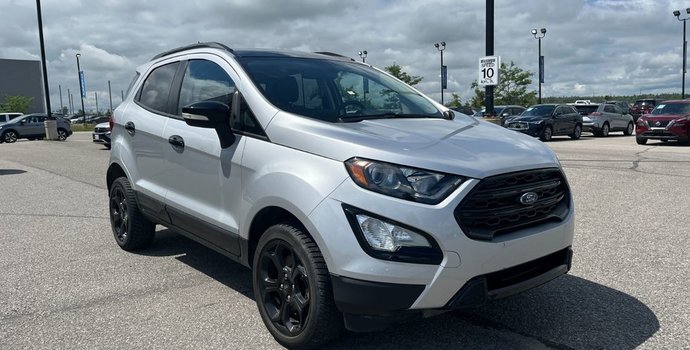
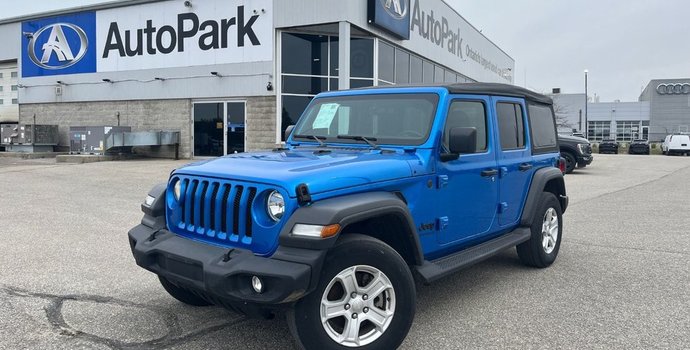
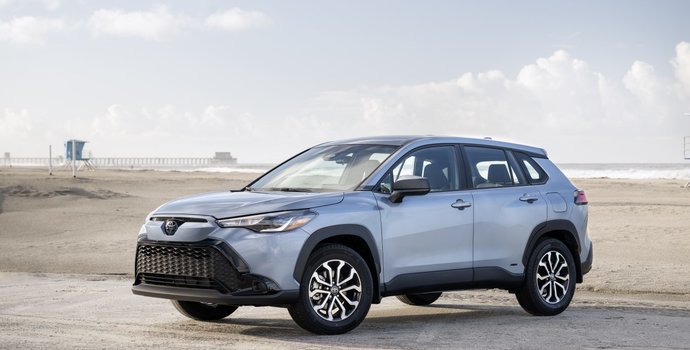
Buying a used vehicle in Ontario means making a decision before you even set foot on a lot: hybrid or gas? Both options have strong cases, and the right answer depends far more on how you drive and how long you plan to keep the vehicle than on the sticker price alone. Total ownership cost, not just the purchase price, is the number that matters most.
Explore Our Pre-Owned Inventory
Looking for a pre-owned vehicle? From daily commutes to weekend plans, discover a pre-owned vehicle at AutoPark Barrie that’s ready for your road ahead.
Shop Now
Ontario's mix of city commutes, highway stretches, and cold-season driving makes this comparison worth taking seriously. A used hybrid can put real money back in your pocket over time, but a used gas vehicle still has clear advantages for the right buyer. Here is what each option actually costs, and how to know which one fits your situation.
At a Glance: Used Hybrid vs. Used Gas in Ontario
|
Factor
|
Used Hybrid
|
Used Gas Vehicle
|
|
Upfront Purchase Price
|
Generally higher
|
Generally lower
|
|
Fuel Savings Potential
|
20%–40% in city driving
|
Baseline
|
|
Routine Maintenance Cost
|
Similar or slightly lower
|
Standard
|
|
Battery Repair Risk
|
Possible (costly)
|
N/A
|
|
Resale Value Trend
|
Holding value well as demand grows
|
Varies by model and mileage
|
|
Best For
|
High-mileage, city-heavy commuters
|
Budget-first buyers, highway drivers, simpler ownership
|
Upfront Price: What the Gap Actually Looks Like
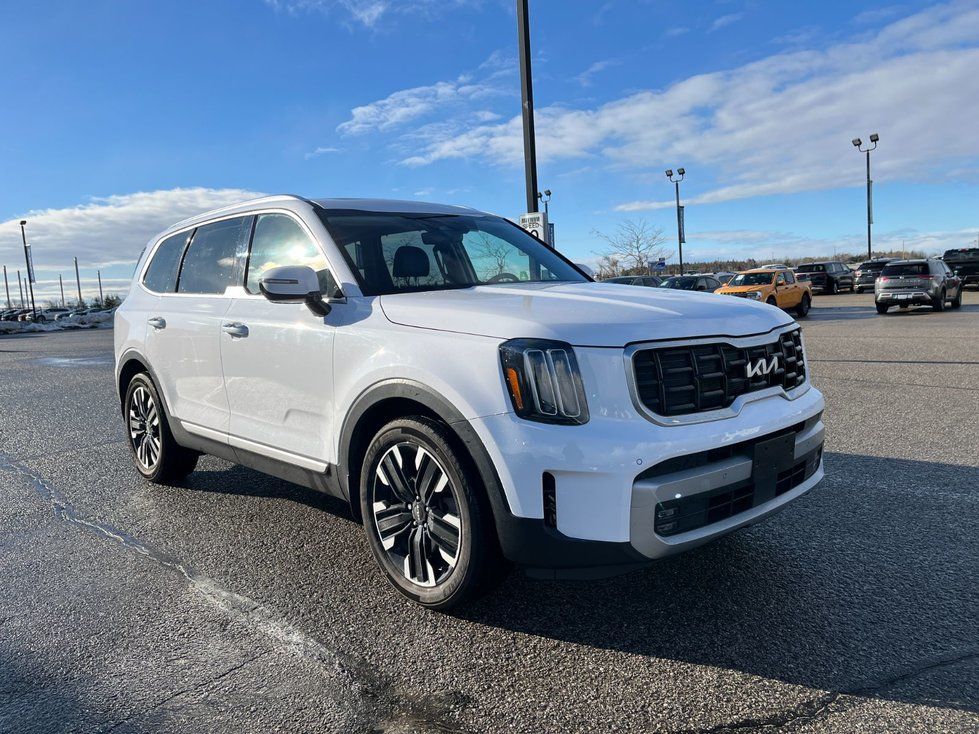
Used hybrids typically carry a higher asking price than comparable gas-powered models of the same year and trim. The gap varies by make, model, and mileage, but it is common to see a used hybrid priced several thousand dollars above its gas counterpart.
For drivers who plan to keep the vehicle for two years or less, or who simply need reliable transportation without a long payback horizon, the lower upfront cost of a used gas vehicle is a real advantage.
Fuel Savings: Where Hybrids Actually Win
The fuel economy argument for used hybrids is strongest in stop-and-go driving. Hybrids recover energy through regenerative braking and can run on the electric motor at low speeds, which is exactly what city driving demands. Based on NRCan fuel consumption data, non-plug-in hybrids average around 5.0 L/100 km combined, compared to roughly 10.0 L/100 km for conventional gas vehicles. That gap can translate to significant savings at the pump for high-mileage drivers.
Highway driving narrows that gap significantly. At sustained speeds above 80 km/h, the gas engine runs continuously and the hybrid system has less opportunity to recover energy. A driver who commutes mostly on highways may see modest fuel savings at best.
Ontario fuel prices have been swinging noticeably in 2026. Prices sat around 159.0¢/L in mid-March, climbed to or above 184.0¢/L three times through May, and have settled back to around 162.0¢/L through mid-June. That kind of volatility means the hybrid's fuel advantage can grow or shrink depending on the month, but a driver putting on 20,000 km or more per year in urban conditions will feel the benefit across the full year regardless.
The table below estimates annual fuel costs at three recent Ontario price points, based on NRCan combined averages: 10.0 L/100 km for a typical gas vehicle and 5.0 L/100 km for a comparable non-plug-in hybrid.
|
Fuel Price
|
Gas vs. Hybrid (Annual)
|
Annual Savings
|
|
159.0¢/L (mid-March)
|
$3,180 vs. $1,590
|
$1,590
|
|
162.0¢/L (mid-June)
|
$3,240 vs. $1,620
|
$1,620
|
|
184.0¢/L (May peak)
|
$3,680 vs. $1,840
|
$1,840
|
Based on 20,000 km/year. Figures are illustrative estimates.
Key fuel savings considerations:
- Hybrids save most in city, stop-and-go, and low-speed driving
- Highway-heavy drivers see smaller savings and a longer payback period
- Annual mileage is one of the biggest factors in whether the math works
- Fuel price swings affect the monthly picture, but city drivers at high mileage come out ahead over a full year
Maintenance and Battery Risk: The Honest Picture
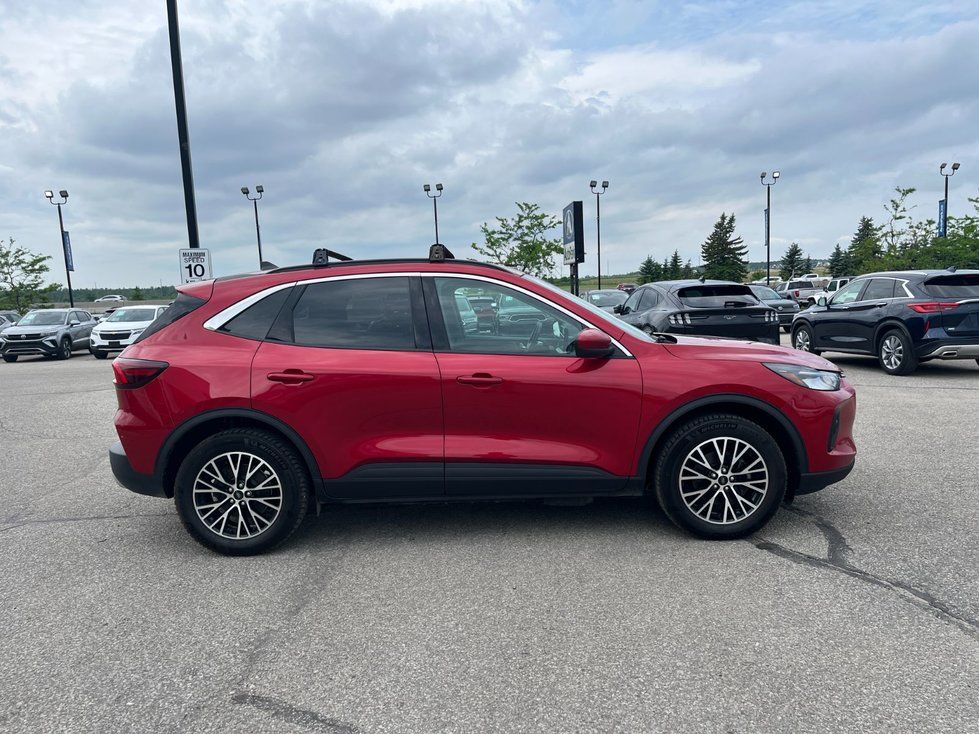
Routine maintenance on a used hybrid is often comparable to a gas vehicle and, in some cases, slightly lower. Hybrids use regenerative braking, which reduces wear on brake pads and can extend the time between brake service intervals. Oil changes and fluid services remain standard.
The meaningful risk with a used hybrid is the high-voltage battery. Most hybrid batteries are designed to last well past 200,000 km, and many used hybrids on the market have battery life left in them. However, a battery replacement on a hybrid can cost thousands of dollars depending on the model, and that potential expense deserves serious thought before purchase.
Buyers can reduce this risk by reviewing the vehicle history, asking about battery health, and considering a pre-purchase inspection from a mechanic familiar with hybrid systems. A gas vehicle carries no comparable single-system risk, which makes ownership simpler for drivers who prefer predictable repair costs.
Resale Value: A Shifting Picture
Used hybrid resale values have been trending upward as more buyers look for fuel-efficient options. Well-maintained hybrids from established manufacturers tend to hold value well, particularly in urban markets where fuel costs are top of mind.
Used gas vehicles remain easier to sell to a broad audience, but the spread in resale value between the two categories has been narrowing. Buyers who plan to hold the vehicle for five or more years and then sell will likely find the hybrid's residual value has kept pace with, or exceeded, the gas equivalent.
Resale value is model-specific, and the make and trim matter as much as the powertrain. A high-demand used hybrid from a popular manufacturer will typically outperform a low-demand used gas model in both sale price and time on the market.
Which Option Makes More Sense for You?
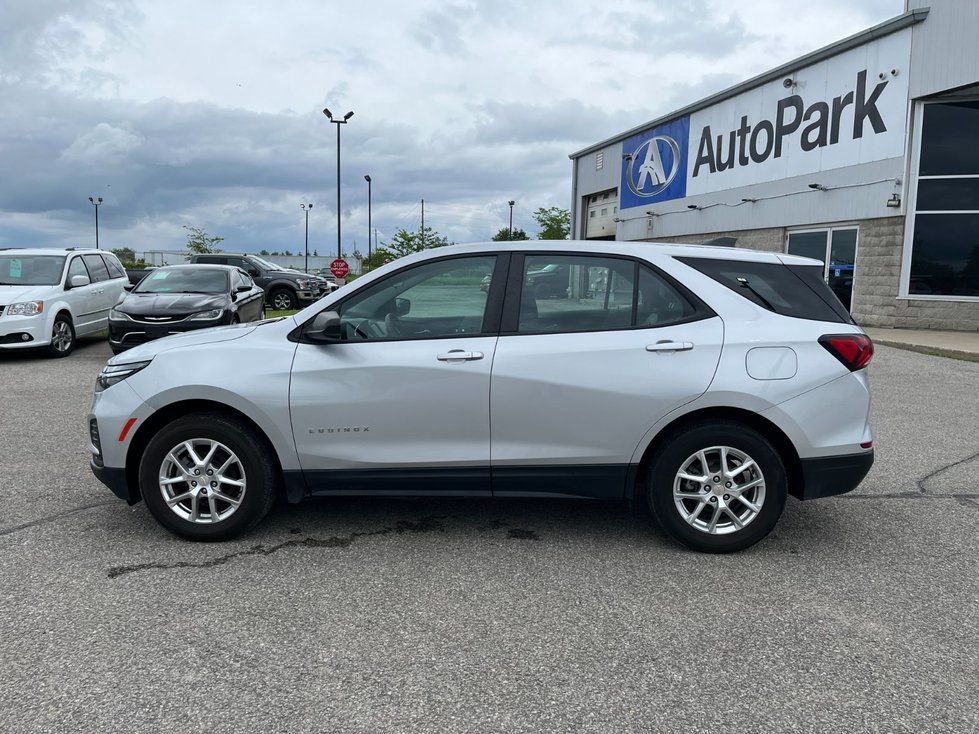
The right choice depends on three things: how you drive, how long you keep your vehicles, and how much you want to spend upfront.
A used hybrid is likely the better buy if you:
- Drive mostly in the city, with frequent stops and low-speed commutes
- Put on 15,000 km or more per year
- Plan to keep the vehicle for four or more years
- Are comfortable with a higher upfront cost in exchange for lower fuel bills over time
A used gas vehicle may be the smarter choice if you:
- Drive primarily on highways or rural roads
- Need the lowest possible purchase price and monthly cost
- Plan to own the vehicle for two years or less
- Prefer simpler ownership without the variable of battery health
Long-distance drivers who log most of their kilometres on the highway will often find that the hybrid's fuel savings do not outweigh its higher purchase price and battery considerations. For that driver, a reliable used gas vehicle at a lower entry cost often wins.
Talk It Through at AutoPark Barrie
Choosing between a used hybrid and a used gas vehicle is a practical decision, and it pays to look at the numbers for your specific situation. The team at AutoPark Barrie in Barrie can help you compare total ownership costs side by side across the used inventory on hand. Stop in to work through the options in person and find the vehicle that fits how you actually drive.
You might be interested in these blogs: