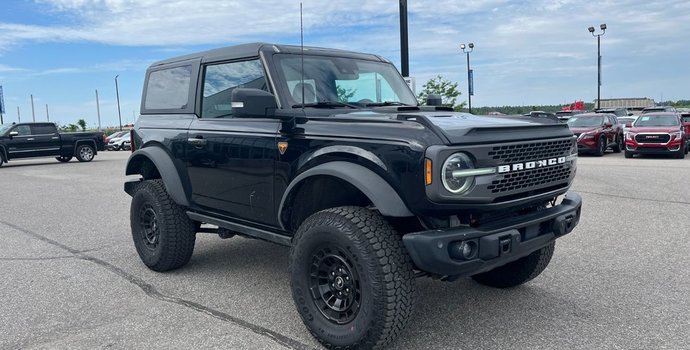
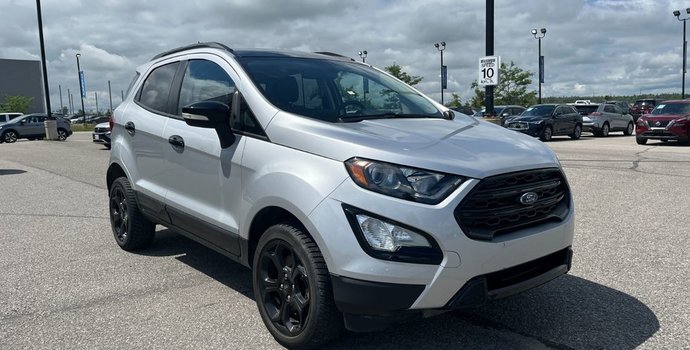
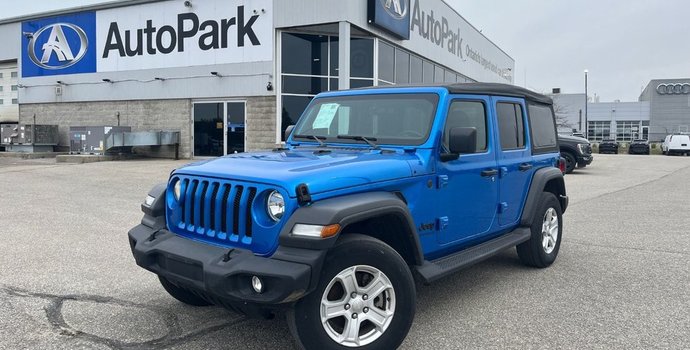
Buying your first used car is exciting, but it can also feel like a lot to figure out. There are numbers to check, paperwork to sort through, and questions you may not have thought to ask yet. The good news is that the process gets much easier once you know what to look at and why it matters.
Explore Our Pre-Owned Inventory
Looking for a pre-owned vehicle? From daily commutes to weekend plans, discover a pre-owned vehicle at AutoPark Barrie that’s ready for your road ahead.
Shop Now
This guide walks through ten things every first-time pre-owned buyer in Ontario should check before signing anything. Use it as a simple checklist, whether you're just starting to browse or already eyeing a specific vehicle at AutoPark Barrie.
1. Your Total Budget, Not Just the Sticker Price
The price on the window is only part of the picture. Your real cost includes sales tax, financing interest (if you're borrowing), insurance, fuel, and routine maintenance like oil changes, brakes, and tires.
Before you fall in love with a car, work out what you can comfortably afford each month across all of those categories. A car that fits your budget on day one but stretches you thin every month isn't a good deal. Most dealerships, including AutoPark Barrie, can walk you through financing options so you see the full monthly picture upfront.
2. The Vehicle History Report
A vehicle history report tells you where the car has been, what it's been through, and whether there are any red flags you can't see from the driver's seat. In Canada, the most common report is CARFAX Canada, and it covers things like past accidents, reported damage, registration history, odometer readings, and whether the vehicle has an active lien.
Always ask to see the report before you commit. A clean history isn't a guarantee of a problem-free car, but a history full of surprises is a solid reason to walk away. Reputable Ontario dealers typically include a CARFAX report with every pre-owned vehicle.
3. Mechanical Condition and Inspection
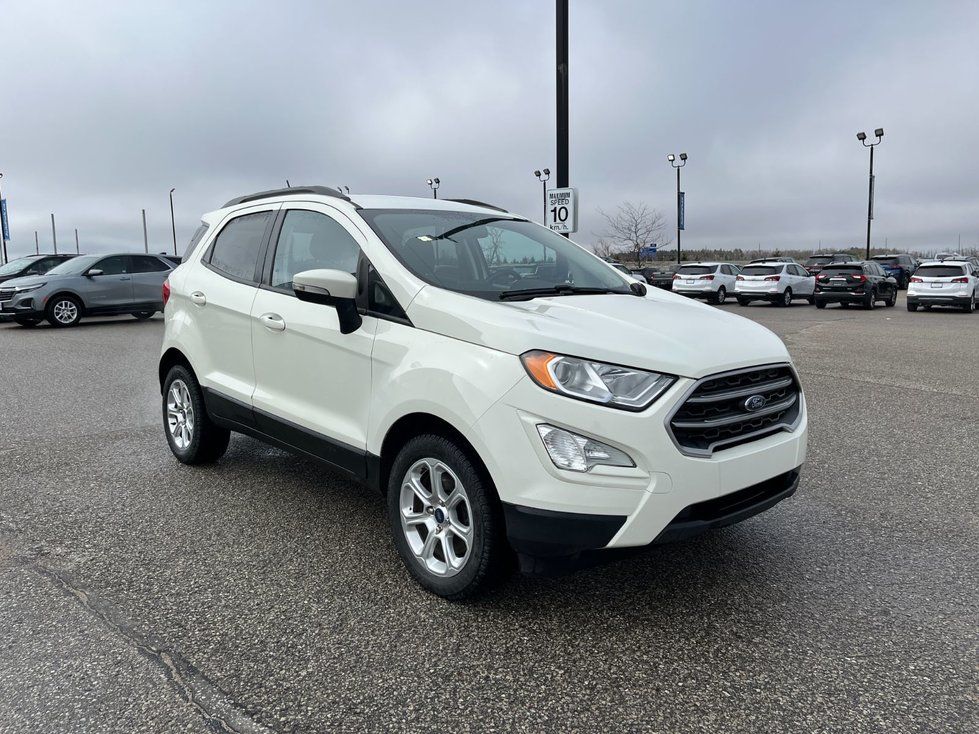
A pre-owned vehicle should be inspected before it ever hits the lot. In Ontario, any dealer-sold vehicle that needs to be plated must come with a valid Safety Standards Certificate, which confirms the car meets the province's minimum safety requirements at the time of inspection.
Beyond that, ask whether the dealership runs its own multi-point inspection covering brakes, tires, fluids, suspension, and key electronics. And take the car for a real test drive, not just around the block. Listen for unusual noises, watch for warning lights, and pay attention to how the brakes, steering, and transmission feel.
4. Kilometres and Age
Two used cars with the same model year can have very different stories. One might have 60,000 km from light city driving, while another has 180,000 km from daily highway commuting. Neither is automatically better or worse, but mileage affects reliability, resale value, and how soon you'll need bigger maintenance items.
As a rough guide, Canadian drivers put on roughly 15,000 to 20,000 km per year. Compare the odometer reading against the vehicle's age to see whether it's been used lightly, heavily, or about average. Then match that pattern to how you plan to drive it yourself.
5. How the Vehicle Was Previously Used
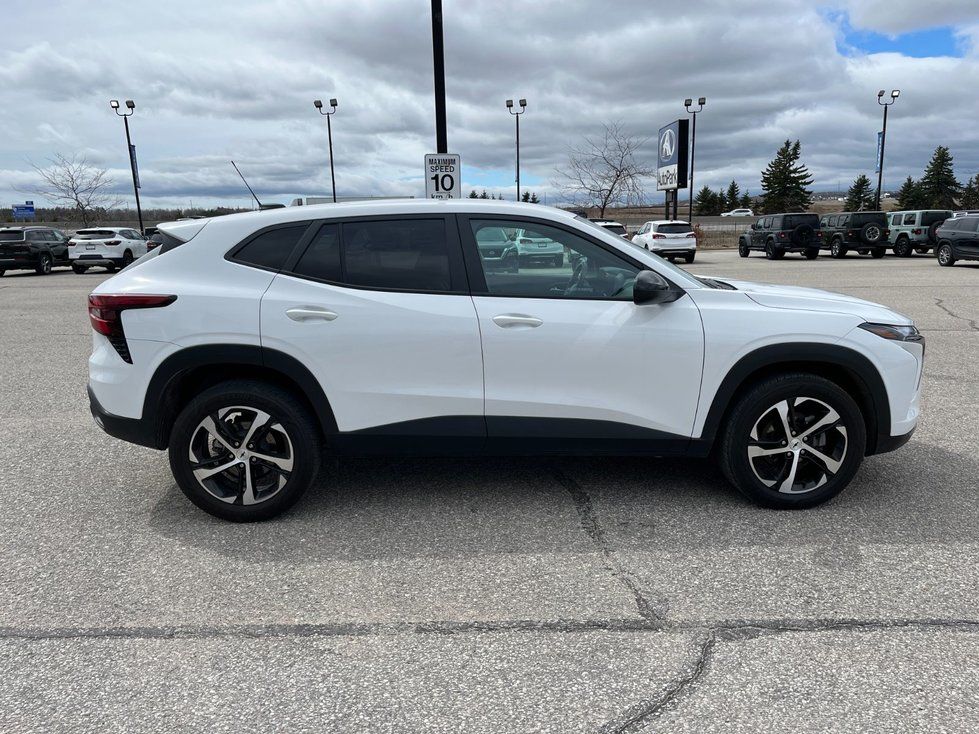
A car's past life tells you a lot about its future. A personal daily driver is usually gentler on the vehicle than a rental, a fleet car, or one used for commercial work. The vehicle history report often notes whether a car was previously registered to a rental company or a business.
Ask your salesperson about the vehicle's background. Was it a one-owner trade-in? A lease return? Understanding the previous use helps set realistic expectations about wear and tear.
6. Safety and Driver-Assist Features
Safety technology has moved quickly over the past decade. A used vehicle from a few model years back may include features that weren't standard even slightly before that, such as blind-spot monitoring, rear cross-traffic alert, lane-departure warning, adaptive cruise control, or automatic emergency braking.
For a first-time buyer, these features can add real peace of mind. Make a short list of the safety features you'd like to have, then check each vehicle you consider against that list. Not every trim includes every feature, so confirm what's actually installed on the specific car in front of you.
7. Practicality for Everyday Ontario Driving
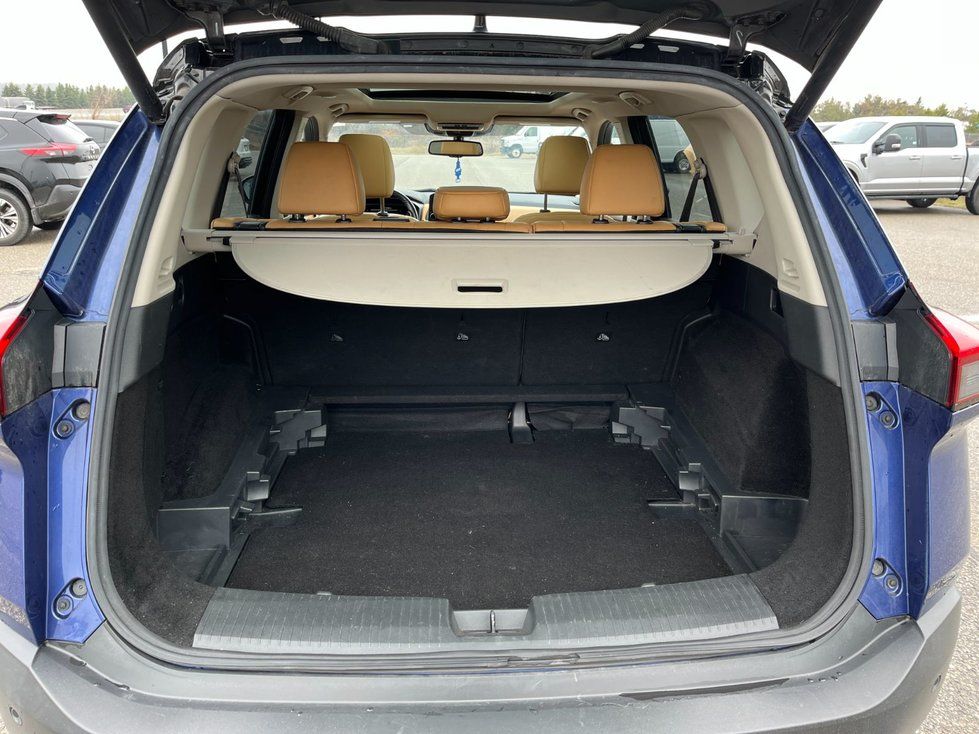
Think about how you'll actually use the vehicle most days. Commuting in traffic, running errands, loading up for road trips, hauling sports gear, or carrying passengers all put different demands on a car.
Winter driving deserves special attention in Ontario. All-wheel drive or front-wheel drive with proper winter tires handles cold-weather conditions better than rear-wheel drive on all-season rubber. Features like heated seats, a heated steering wheel, and remote start are also worth considering if you park outdoors through the colder months.
8. Long-Term Ownership Costs and Reliability
Some makes and models are known for going the distance with minimal drama. Others have specific issues that tend to show up around certain mileage ranges. Before you settle on a vehicle, spend a little time researching its reliability reputation and typical maintenance schedule.
Look up the cost of common service items for that model, including brake pads, tires in the correct size, and any scheduled timing belt or transmission service. A cheaper purchase price doesn't help much if the vehicle costs twice as much to keep on the road.
9. Paperwork and Ontario Legal Requirements
Ontario has clear rules around vehicle sales, and knowing them protects you as a buyer. A few key points every first-time buyer should understand:
- There is no cooling-off period on vehicle purchases in Ontario. Once you sign, you're committed, which is why every check on this list matters before you put pen to paper.
- A Used Vehicle Information Package (UVIP) is required for private sales, but not for purchases from a licensed dealer.
- A Safety Standards Certificate is needed to register most vehicles.
- You cannot register a vehicle at ServiceOntario without valid proof of insurance, so line up insurance quotes on the specific car you're considering before finalizing the deal.
- The vehicle should have a clear title with no active liens.
A licensed Ontario dealer handles most of this paperwork for you, which removes a lot of the stress that comes with a private sale.
10. The Dealership's Reputation and Buyer Protections
Where you buy matters almost as much as what you buy. In Ontario, licensed dealerships are registered with OMVIC (the Ontario Motor Vehicle Industry Council), which sets professional standards and handles consumer protection for vehicle sales.
Before you visit, read recent online reviews and see what past customers say about the sales experience, the condition of the vehicles, and the after-sale support. Ask about any in-house protections offered on pre-owned vehicles, such as warranty coverage or exchange options. A good dealer will answer your questions clearly, show you the paperwork without hesitation, and never pressure you into a same-day decision.
Ready to Start Shopping?
A first pre-owned vehicle purchase goes a lot more smoothly when you know what to check and which questions to ask. Work through this list on any car you're seriously considering, and you'll have a much clearer picture of whether it's the right fit.
If you'd like help walking through any of these steps on a specific vehicle, the team at AutoPark Barrie in Barrie is happy to answer questions and show you what to look for, no pressure attached. Browse the pre-owned inventory online or stop by to take a closer look in person.
You might be interested in these blogs: