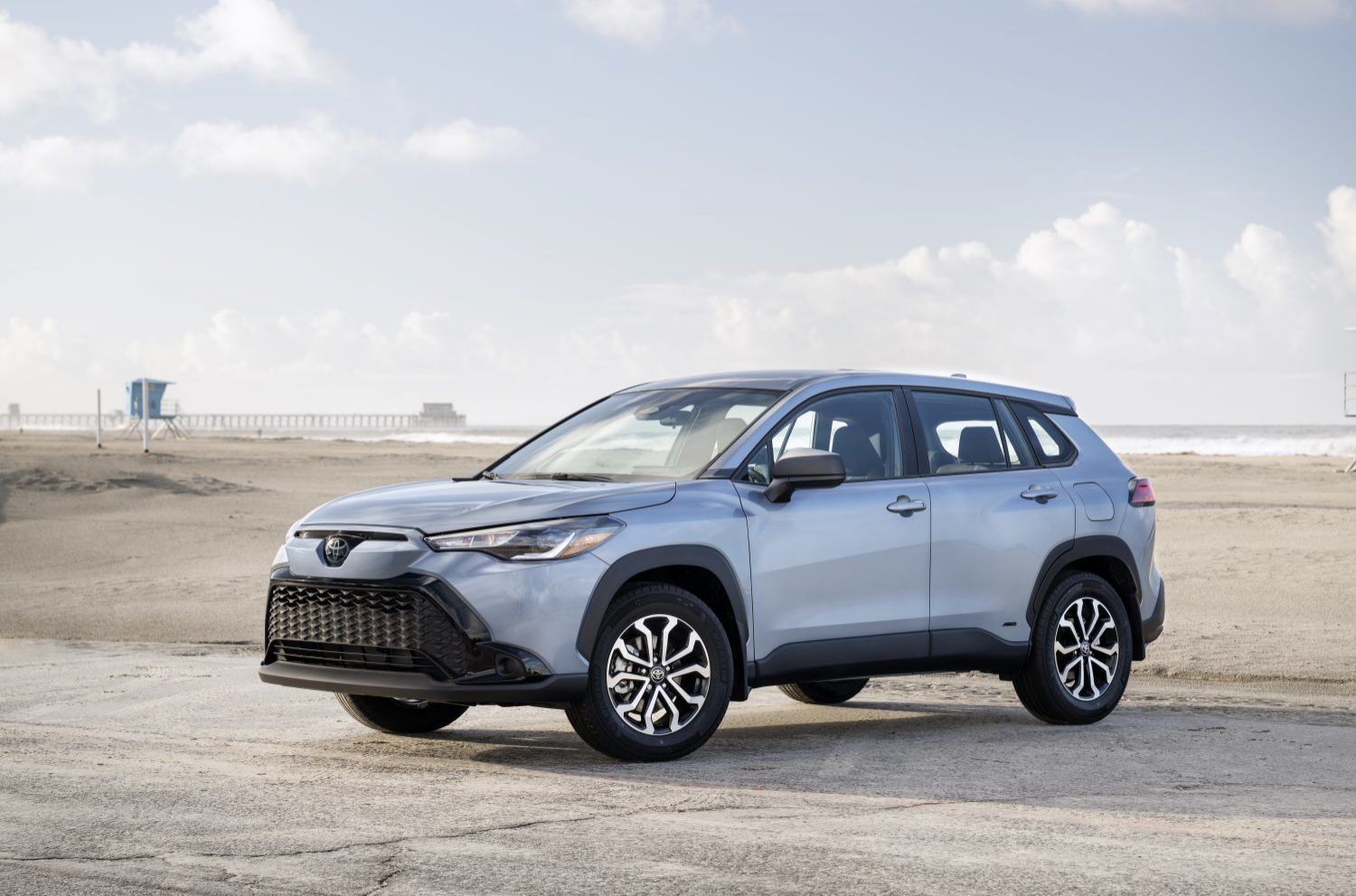
A used hybrid can be a smart way to lower your fuel costs without paying the higher price of a brand-new electrified vehicle. Hybrids pair a gasoline engine with an electric motor, so they use less fuel in stop-and-go driving and on shorter trips. Many mainstream hybrid models also have a strong reliability record in Canada, which makes the used market a practical place to shop.
Buying used does come with extra homework, especially with a hybrid. These vehicles have parts that a regular gasoline car does not, such as a high-voltage battery and a more complex drivetrain. This guide walks Ontario shoppers through the full process, from setting a budget to closing the deal, with a focus on the hybrid-specific checks that protect your purchase.
Step 1: Decide if a Hybrid Fits Your Driving and Budget
A standard hybrid charges its battery on its own through the engine and braking, so you never plug it in. A plug-in hybrid (PHEV) has a larger battery that you can charge from a wall outlet or a public station, which allows a short all-electric range before the gas engine takes over. Knowing which type suits your routine is the first decision to make.
Hybrids often cost more up front than a comparable gasoline car, even on the used market. The trade-off is lower fuel use and, in many cases, lower routine maintenance over the years you own the vehicle. If you drive a lot of kilometres each year, those fuel savings add up faster.
When you set your budget, leave a cushion. A used hybrid may need an independent inspection before you buy, and possibly some hybrid-specific maintenance afterward. Build that into your numbers so a surprise cost does not stretch you thin.
- A standard hybrid never needs to be plugged in; a PHEV does for its electric range.
- Expect a slightly higher purchase price than a similar gasoline model.
- Set aside funds for a pre-purchase inspection and any follow-up service.
Step 2: Choose the Right Hybrid Model for Ontario Roads
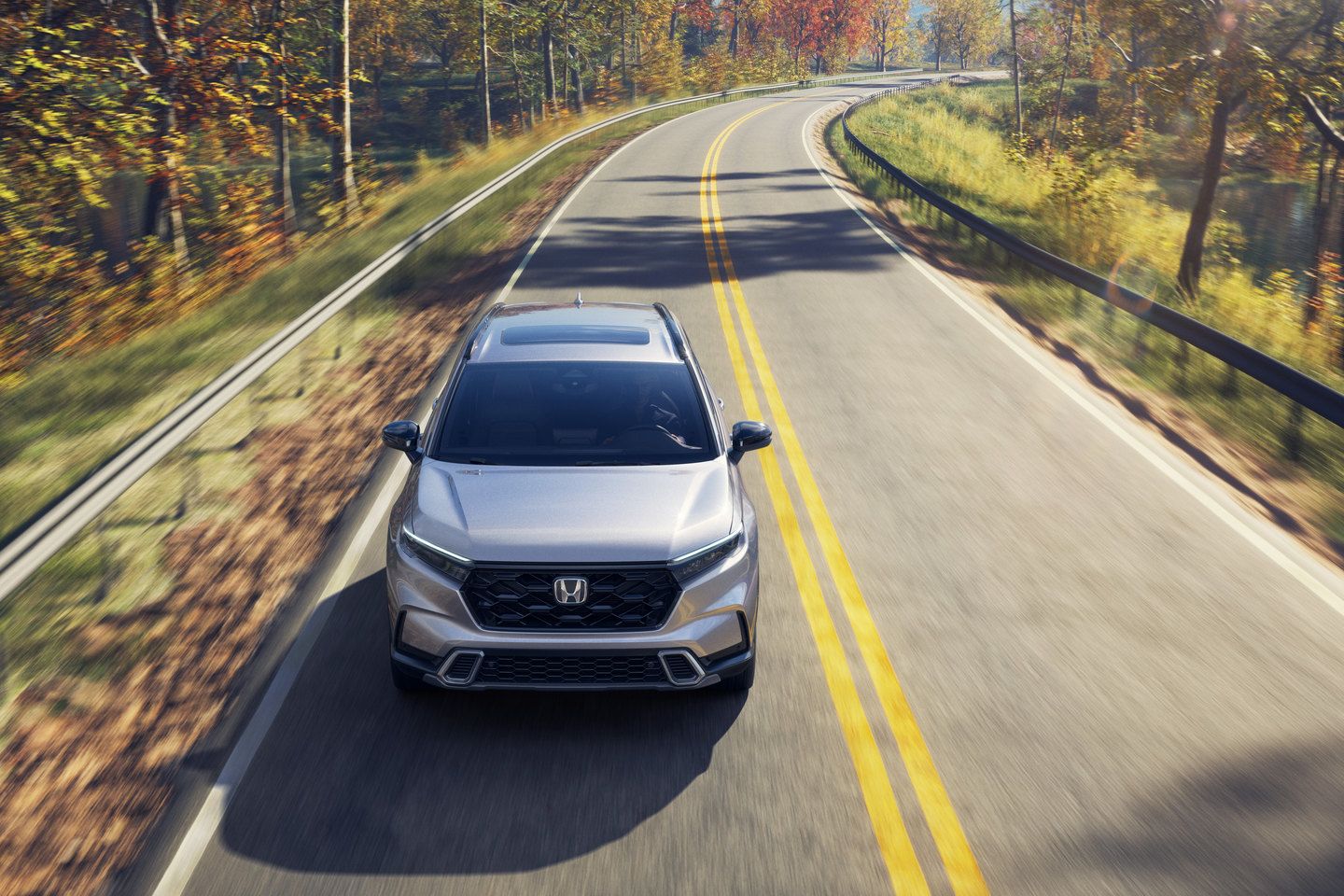
Focus your shortlist on well-proven hybrid nameplates with a solid track record in Canada. Mainstream hybrid sedans, hatchbacks, and SUVs from established brands tend to have the most service history, the widest parts availability, and the most predictable resale value. A model that has sold in large numbers is usually easier to maintain and repair down the road.
Before you commit to a shortlist, read owner reviews and trusted expert guides. Pay attention to two things in particular: long-term reliability and real-world fuel economy. Official fuel ratings give you a baseline, but driver reports tell you how a hybrid actually performs through an Ontario winter and on the highway. Comparing a few models side by side helps you avoid a vehicle with a known weak spot.
Step 3: Understand Ontario Safety, History Reports, and Paperwork
In Ontario, a used vehicle must pass a safety inspection before it can be plated and driven. That inspection results in a Safety Standards Certificate, which confirms the vehicle meets the province's minimum road-safety requirements. The inspection must be conducted at a licensed inspection station, and you cannot attach plates to the vehicle without that certificate.
AutoPark Barrie states that all of its pre-owned inventory is serviced by licensed technicians before sale. That means the safety inspection is handled for you, and the vehicle already meets Ontario's road-safety standards at the time of delivery.
A full vehicle history report is just as important as the safety paperwork. The report shows past accident damage, the number of previous owners, and the service record. For a hybrid, that history is especially valuable because it shows whether the vehicle was maintained properly. AutoPark Barrie provides full history reports and multi-point inspections for its pre-owned vehicles, so you can review a clear record before you decide.
Step 4: Inspecting a Used Hybrid Like a Pro
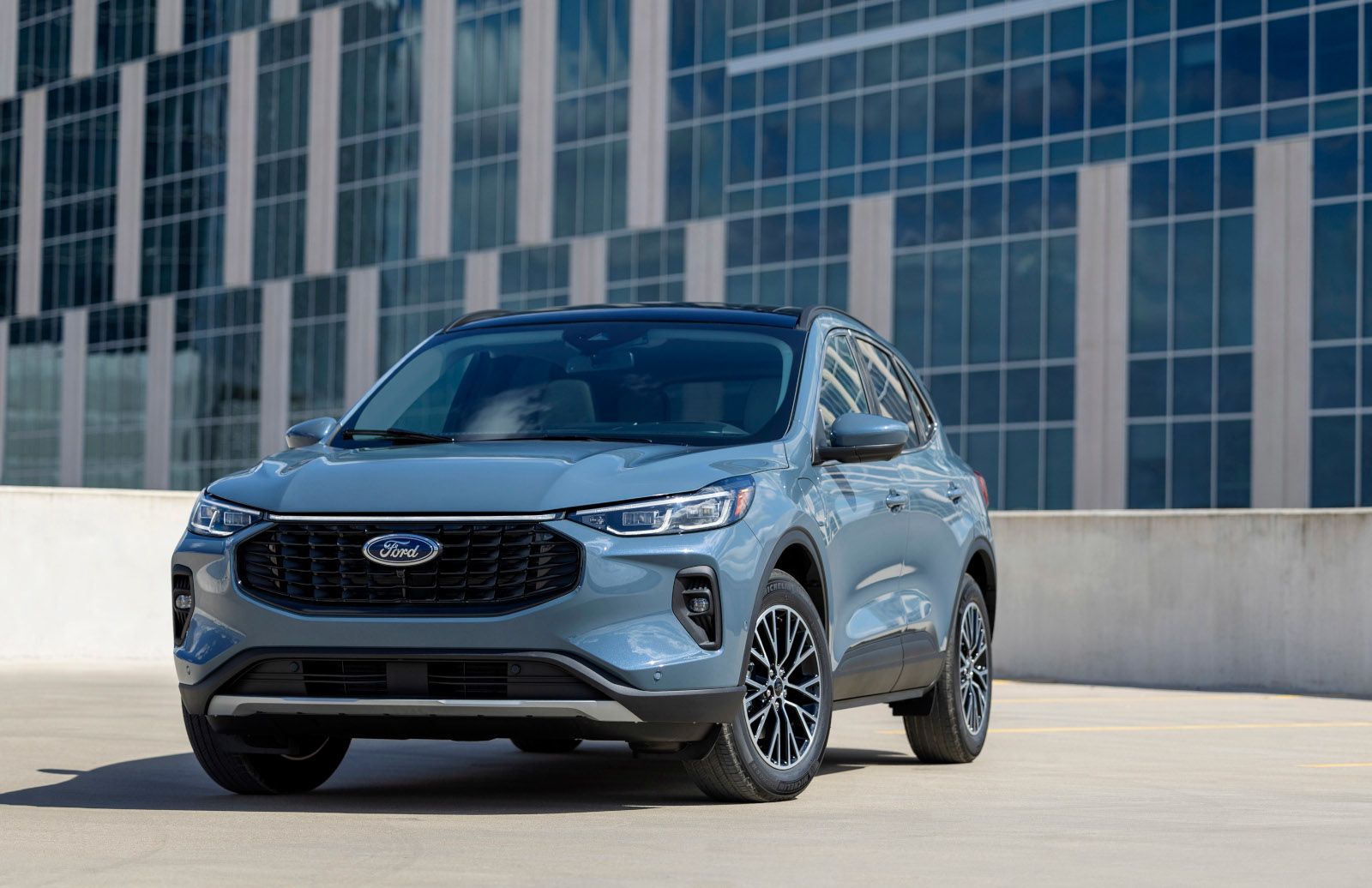
This is the core of buying a used hybrid well. Work through these checks in order before you sign anything.
1. Check Vehicle History and Service Records
A detailed history and maintenance record is non-negotiable for a hybrid, because these vehicles are more complex than conventional cars. Confirm that the vehicle was serviced on a regular schedule and check for any past collision damage. Make sure the hybrid components, in particular, were maintained by qualified technicians, not skipped or handled by a shop without hybrid training.
2. Assess Battery Health and the Hybrid System
The high-voltage battery pack is the most expensive single component in a hybrid. Ask the seller directly about the battery's condition, age, and whether any warranty coverage still applies.
Vehicle age and mileage matter here. Battery degradation tends to be a greater concern in older hybrids, so an older, higher-kilometre vehicle deserves closer scrutiny. Ask the dealership what battery testing has been done and whether they can share the results.
3. Confirm Software Updates and Recalls Are Current
Software keeps a hybrid running at its best, and updates can improve both performance and reliability. Make sure all available software updates and recall campaigns have been completed. Ask the dealership to provide documentation showing that any open recalls for that specific VIN have been addressed.
4. Evaluate Charging Equipment (for Plug-In Hybrids)
If you are buying a PHEV, inspect the charging port and cables for wear or damage. Damaged connectors can cause charging problems and lead to extra repair costs. Before you finalize the deal, confirm the vehicle charging charges are correct on a Level 1 or Level 2 charger.
5. Arrange a Hybrid-Aware Inspection and Test Drive
Book a pre-purchase inspection with a dealership or shop that specializes in hybrids. Not every mechanic is trained to properly evaluate hybrid systems, regenerative braking, and high-voltage components, so the right shop matters.
- Listen for unusual noises from the electric motor or transmission.
- Check that the switch between gas and electric power feels smooth.
- Check the dashboard and confirm that no warning lights are illuminated.
Step 5: Test-Driving a Hybrid and What to Watch For
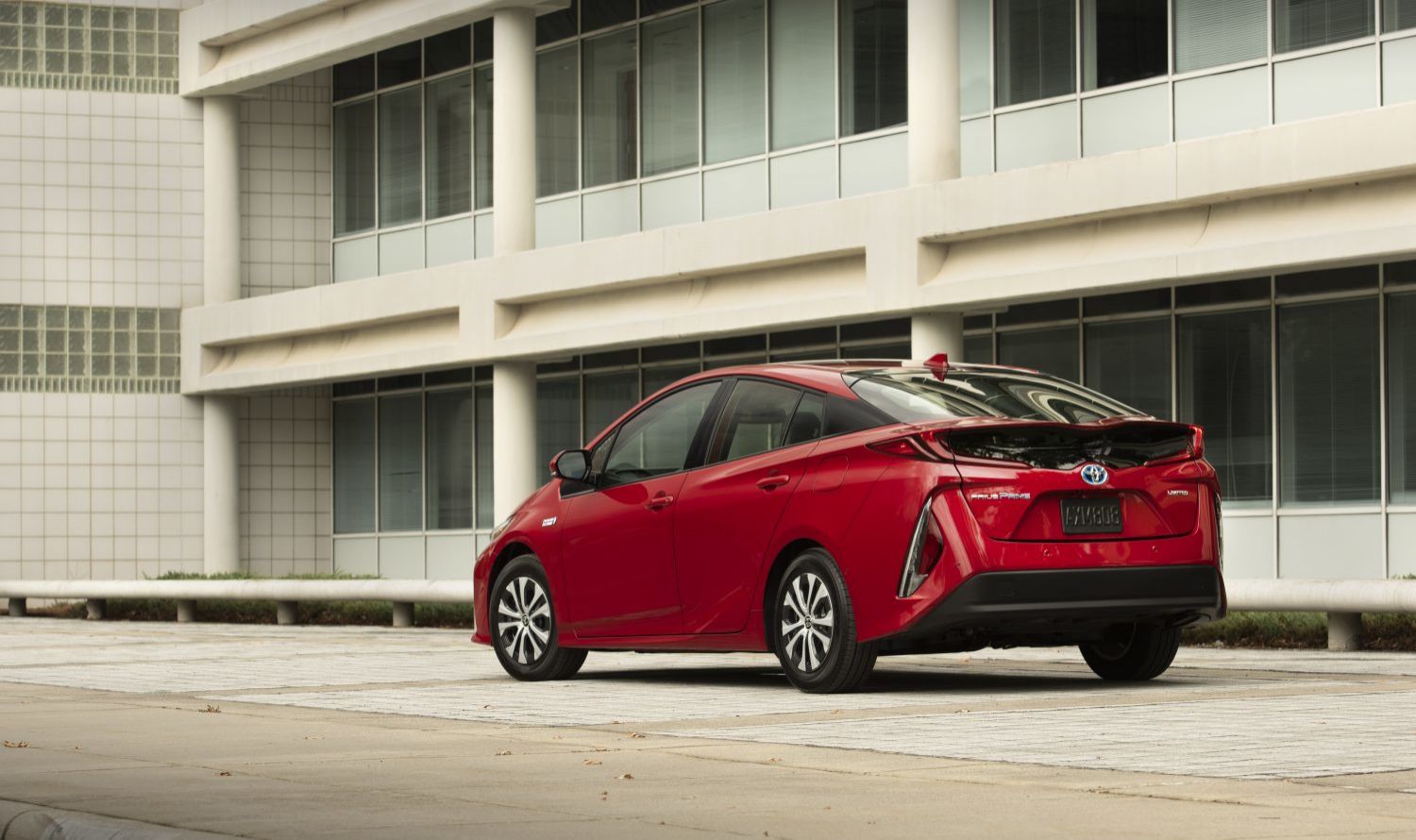
The test drive is your chance to confirm everything the paperwork promised. Drive the vehicle the way you actually would: city streets, a stretch of highway, and a few stops and starts. A hybrid does most of its electric-only work at low speeds, so pay attention during slow driving and when you pull away from a stop.
Regenerative braking is one of the biggest differences from a gasoline car. The brakes recover energy as you slow down, and the pedal can feel slightly different. It should still feel firm and predictable. If the brakes feel inconsistent, grabby, or unusually soft, ask the dealership about it before going further. A short, attentive test drive often tells you more than any spec sheet.
Step 6: The Benefits of Buying From a Used-Vehicle Specialist
AutoPark Barrie is a dedicated used-vehicle dealership serving Barrie, Collingwood, and Orillia, with access to a large pre-owned inventory, including hybrids. Shopping from a specialist offers a hybrid buyer several clear advantages over an ad hoc private sale.
|
What AutoPark Barrie Offers
|
Why It Matters for a Hybrid Buyer
|
|
Vehicles safetied before sale
|
The Ontario safety inspection is completed for you
|
|
Full history reports and multi-point inspections
|
A clear record of accidents, ownership, and service
|
|
7-day / 500 km exchange program
|
Time to confirm the hybrid suits your driving
|
|
90-day limited powertrain warranty
|
Added coverage on a complex hybrid drivetrain
|
For a hybrid shopper, that combination of safety inspections, documented history, and post-sale support reduces the risk that comes with buying a complex vehicle. A private seller rarely offers an exchange window or a powertrain warranty, which makes a specialist dealership a steadier path.
Step 7: Financing, Closing the Deal, and Next Steps
Before you sign, compare your financing options and look at the total cost of ownership, not just the monthly payment. Factor in the interest you will pay over the loan term, then weigh that against the fuel savings a hybrid delivers, which grow larger the more you drive each year.
AutoPark Barrie has a dedicated Finance Department that works with a network of automotive lenders, and it helps shoppers across a range of credit situations. The finance team reviews your personal budget, lays out your options, and helps you settle on a loan that works for the long term. If you have an existing loan you want to change, the team handles refinancing and term adjustments regularly.
The final step is the paperwork. Review the bill of sale, the warranty terms, and any optional protection plans carefully. Make sure everything you were promised, including the history report, inspection, and exchange policy, is included in the agreement before you sign.
Find Your Used Hybrid at AutoPark Barrie
A used hybrid is well within reach when you follow a clear process and lean on a dealership that handles the hard parts for you. Visit the team at AutoPark Barrie in Barrie to walk through the pre-owned hybrid options, review history reports in person, and ask the battery and inspection questions that matter most. You can also start a no-pressure conversation with the Finance Department through the online credit application to see where you stand.
You might also be interested in these blogs:Ontario's Most Affordable & Reliable Used Small Compact SUVs for 2026 | The 10 Best Pre-Owned Three-Row SUVs | 5 Tips for Finding the Best Pre-Owned Minivan for Your Family