Shopping for your first car while juggling tuition, textbooks, and a part-time job schedule is not simple. A used vehicle can be the right entry point, but only if you know what to check before you sign anything.
This guide walks through the real questions students ask when buying a used car in Ontario, from spotting a legitimate dealer to knowing what happens the moment you put your signature on a contract.
Explore Our Pre-Owned Inventory
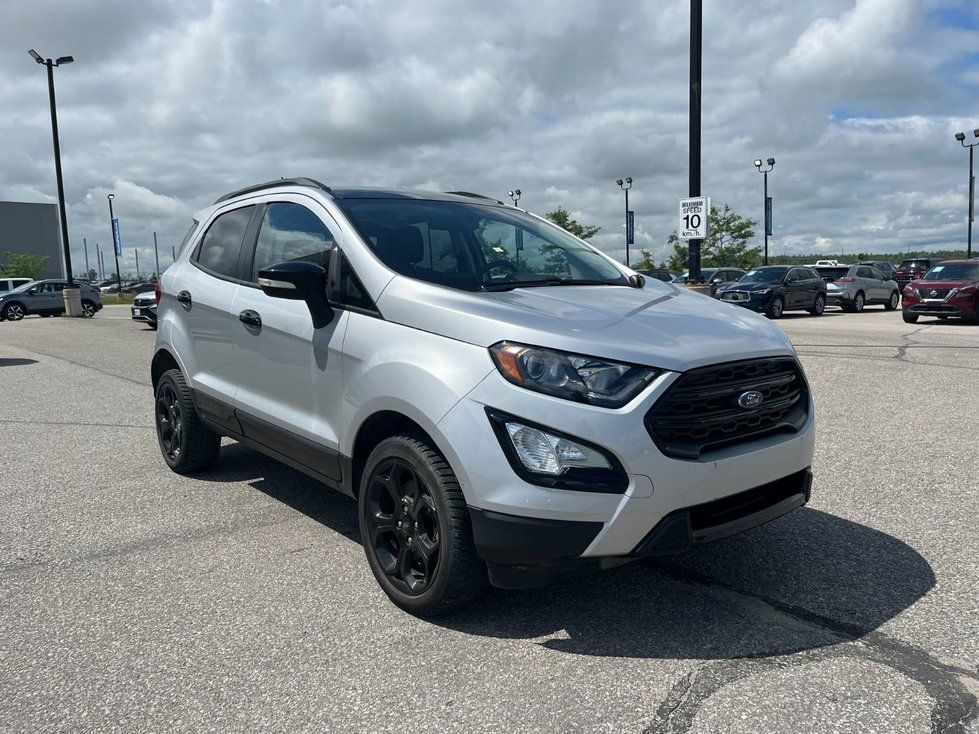
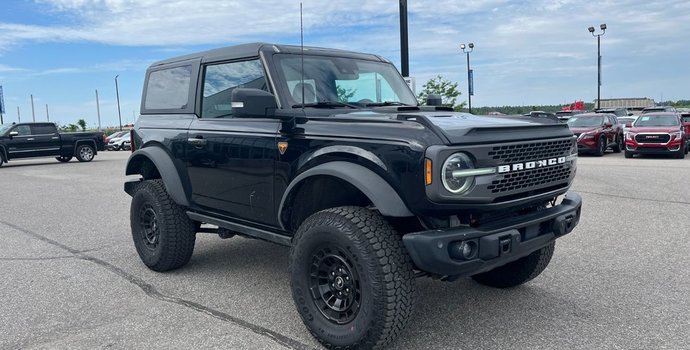
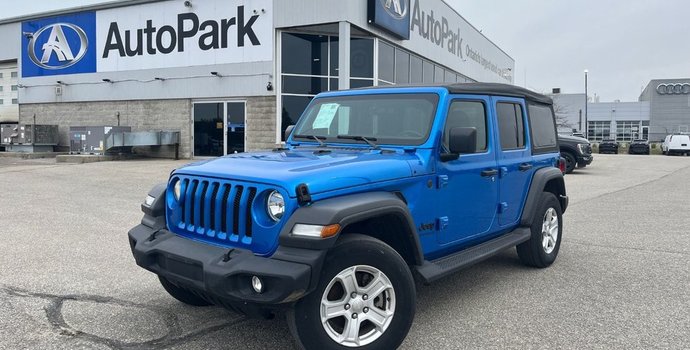
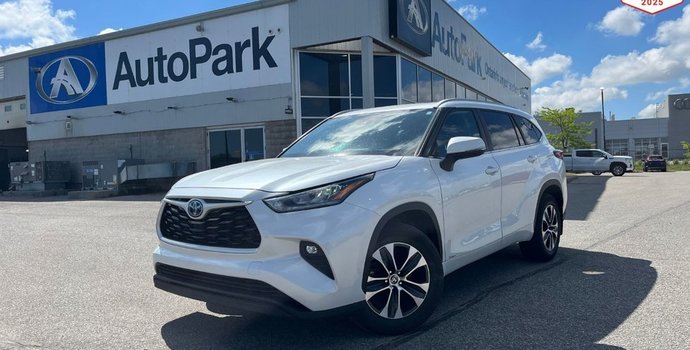
Looking for a pre-owned vehicle? From daily commutes to weekend plans, discover a pre-owned vehicle at AutoPark Barrie that’s ready for your road ahead.
Shop Now
Why Do So Many Students Choose A Used Vehicle First?
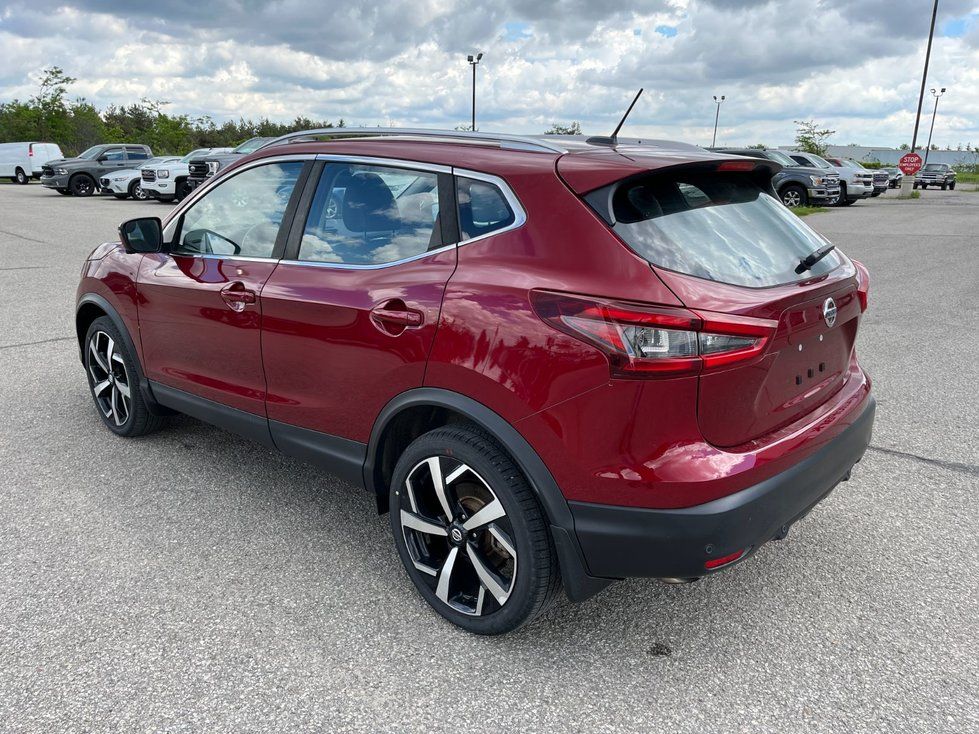
A used car usually means a lower upfront cost and more choices within a tight budget. That matters when you are also covering rent, tuition, and a class schedule that leaves little room for financial surprises.
The tradeoff is that a used vehicle needs a closer look than a new one. You are relying on the vehicle’s history and current condition rather than a fresh factory build, so the inspection and paperwork steps carry more weight.
Students commuting daily, working part-time shifts, or juggling both tend to benefit most from buying now, since a reliable used vehicle solves a real transportation gap. Anyone unsure about their schedule or budget may be better off shopping a little longer before committing.
Is The Dealer Legally Registered To Sell In Ontario?
Before you get to paperwork or test drives, confirm the dealership is registered with the Ontario Motor Vehicle Industry Council (OMVIC). Look for the blue-and-yellow OMVIC decal displayed at the dealership.
OMVIC registration gives you legal protection under the Motor Vehicle Dealers Act. That protection does not exist the same way when you buy privately, where the seller has far fewer disclosure obligations and you carry more of the documentation burden yourself.
Buying from a registered dealer can also mean you are exempt from needing to provide your own Used Vehicle Information Package (UVIP), since the dealer handles that documentation as part of a registered sale.
What Happens After You Sign The Contract?
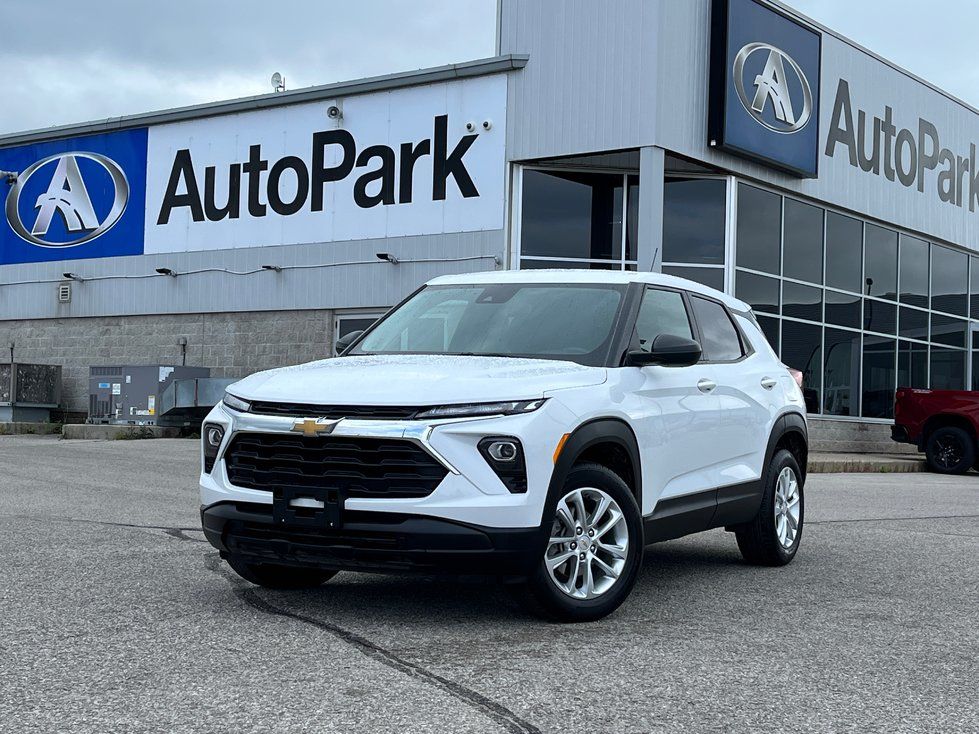
Ontario does not give car buyers a cooling-off period. Once you sign, the deal is final unless a cancellation clause was written into the contract itself.
That makes reading the contract before you sign, not after, the single most important step in the entire process. Ask about disclosures, the vehicle’s history, and any written terms while you still have the chance to walk away.
What Should You Inspect Before Test Driving?
Walk the vehicle with a checklist mindset rather than a quick glance. Look at the bodywork for mismatched paint or panel gaps, check tire wear, and sit in the cabin to check for excess wear or odours.
Turn the key and watch for warning lights, then confirm basic functions like windows, locks, and climate controls work as expected. Visible condition and any signs of poor prior repair tell you a lot about how the vehicle was maintained.
What Questions Reveal A Transparent Dealership?
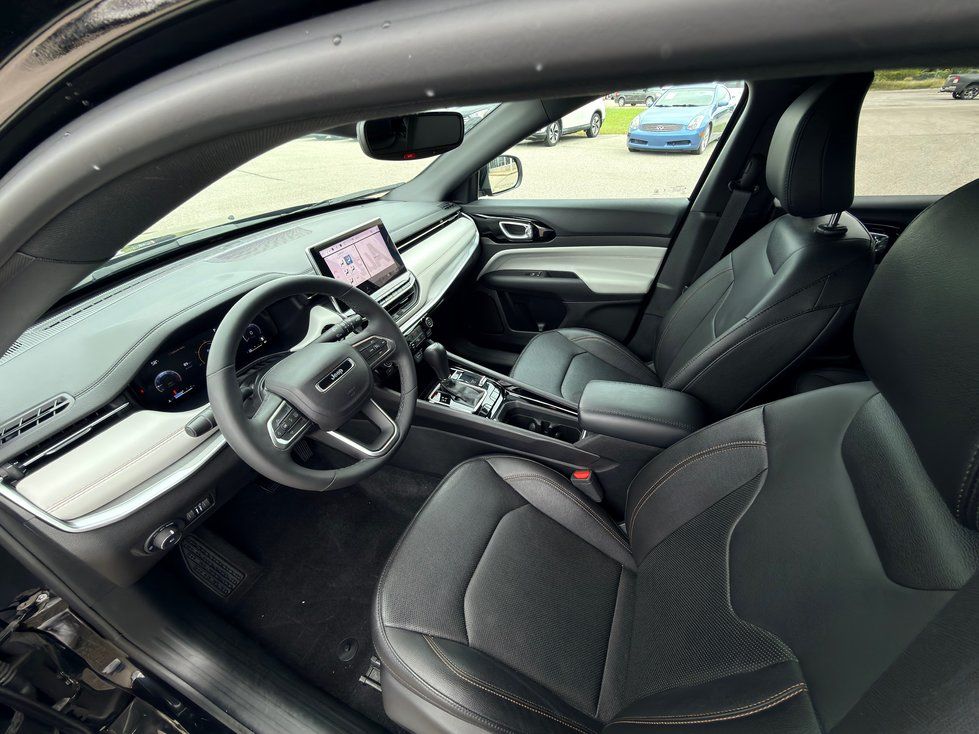
Ask how the vehicle was previously used, what maintenance records exist, whether an inspection has already been completed, and what documentation comes included with the sale.
A dealership that answers clearly and without hesitation is telling you something important about how they do business. Vague or dismissive answers to these same questions are a signal to slow down.
What Paperwork Should You Keep After Purchase?
Save every signed document, any vehicle history report, and inspection-related paperwork in one place. These records matter later for servicing, resale, and answering questions that come up months down the road.
Organized paperwork also makes any future warranty or service conversation faster, since you can point to exactly what was disclosed and agreed to at the time of sale.
Quick Answers Before You Shop
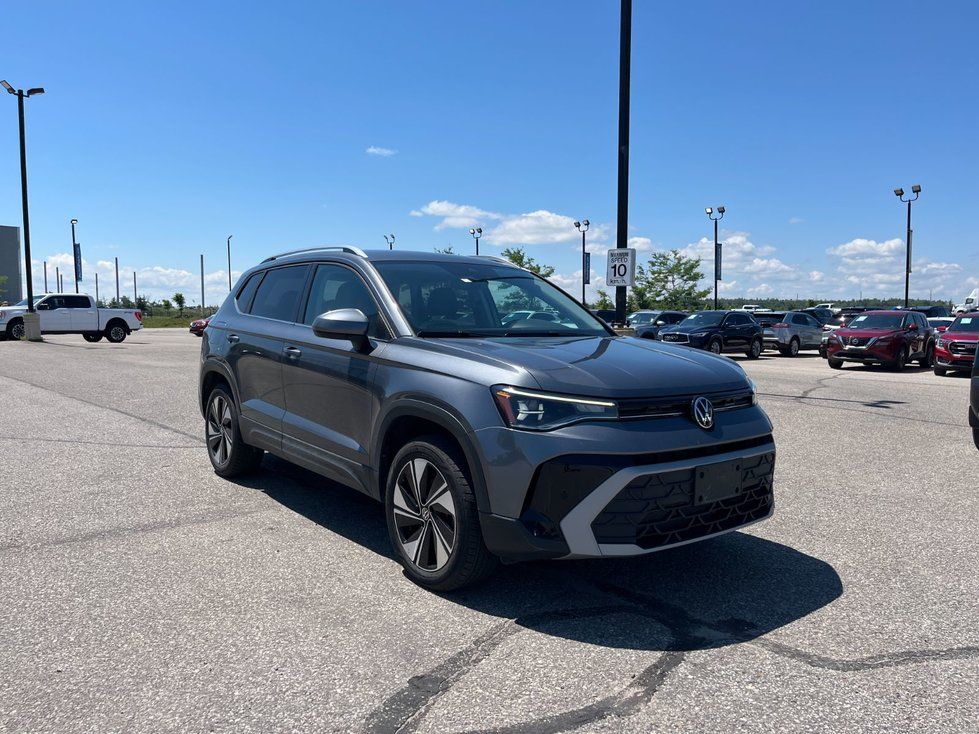
- Dealer check: Confirm the blue-and-yellow OMVIC decal is displayed; this is your legal protection under the Motor Vehicle Dealers Act.
- Contract rule: No cooling-off period in Ontario. Read the full contract before you sign, not after.
- Documentation: A registered dealer sale can exempt you from needing your own UVIP.
- Inspection habit: Check bodywork, tires, cabin condition, and warning lights before agreeing to anything.
Is A Used Car The Right Fit For Your Routine?
Think about your actual weekly routine before deciding. A student commuting daily needs to weigh commuter distance, campus parking realities, and whether the vehicle handles winter conditions without added stress.
If you are also hauling gear for a part-time job or need room for a roommate’s occasional ride, cargo space and passenger room matter as much as fuel costs. An easy-to-manage daily driver beats a flashier option that is harder to live with during exam season.
Students with a steady class and work schedule, and a clear budget ceiling, are generally in the best position to buy now. Those still sorting out housing, transportation needs, or finances may want to shop a bit longer before signing anything.
Ready To Start Your Search
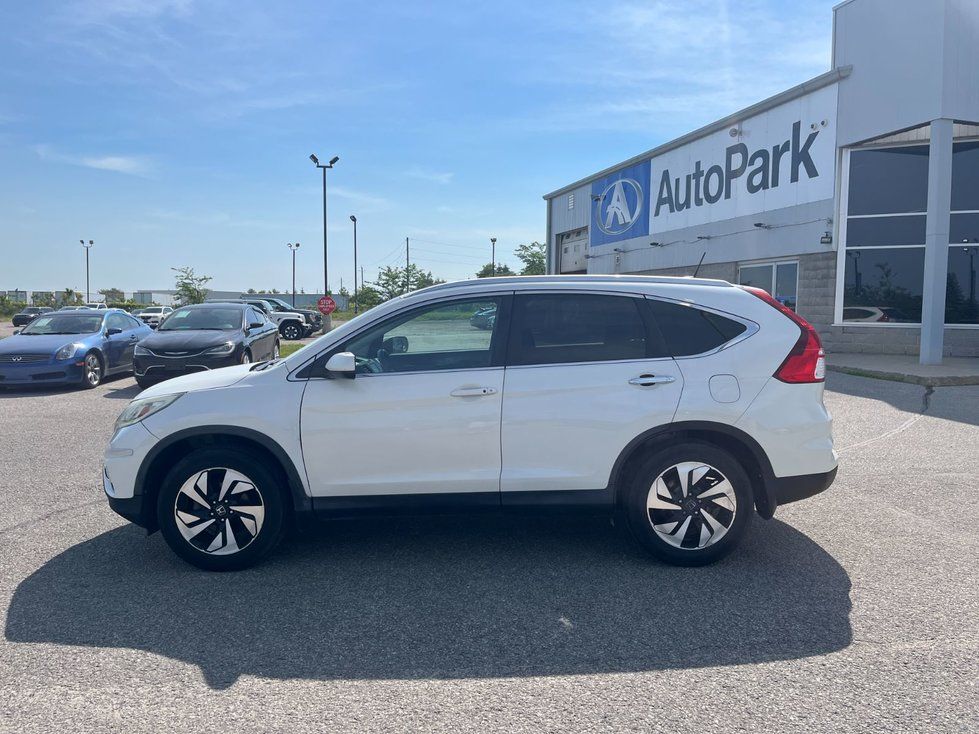
Buying your first used car comes down to two things: confirming the dealer is legitimate, and reading every document before you sign. Ontario’s lack of a cooling-off period makes that second step non-negotiable.
Visit AutoPark Barrie in Barrie to review current pre-owned inventory and get straightforward answers about the buying process before you commit to anything.
You might be interested in these blogs: