Fall in Ontario means one thing for hikers: the trails you loved all summer are about to get slippery, muddy, and a lot less forgiving. Gravel pull-offs turn soft, unpaved lots pool with water, and the last stretch to a trailhead often isn’t paved at all. If you’re shopping AutoPark Barrie’s used inventory for a hiking rig, the question isn’t which SUV looks the most rugged. It’s which one actually matches how you hike.
This guide breaks the shortlist into three hiker types: the everyday trailhead commuter, the family trail-tripper, and the gear-heavy weekend explorer. None of these vehicles is the “right” answer for everyone. Each is better suited to a different kind of hiking life.
Why AWD and Ground Clearance Actually Matter This Fall
A damp trailhead lot isn’t the same challenge as a snow-covered highway, and that’s the point. All-wheel drive here isn’t a winter feature, it’s a confidence feature: it helps a vehicle plant power through wet leaves, loose gravel, and soft shoulders where a front-wheel-drive-only vehicle can bog down or lose grip pulling out of a parking spot.
Ground clearance works the same way. A few extra centimetres keep a rutted access road from scraping a bumper or bottoming out a low front fascia. Neither factor is about hardcore off-roading. It’s about not getting stuck on the drive in.
For Everyday Trailhead Access: Compact and Efficient
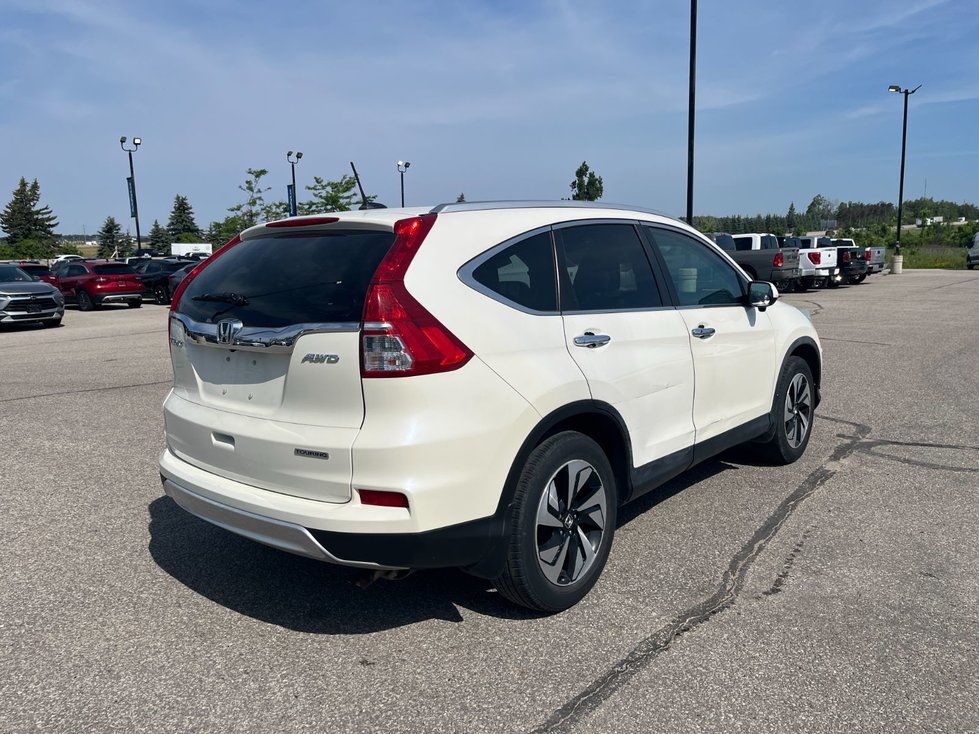
The Honda CR-V and Ford Escape both make sense for hikers who also use their SUV as a daily driver and want AWD without an off-road personality. The CR-V’s Sport trim rides at 208 mm of ground clearance, and its AWD Hybrid version returns a combined 6.4 L/100 km, useful if your trailhead runs are added onto a regular commute.
The Escape counters with a taller stance on gas power: 190 mm of clearance versus roughly 175 mm on the hybrid, plus up to 1,062 L of cargo room behind the rear seats on gasoline models, more than enough for boots, packs, and a change of layers.
The tradeoff is size. Both are easy to park near a crowded trailhead lot, but neither offers the interior stretch-out room a longer family trip demands. For a solo hiker or a couple doing day trips, that’s a fair trade. For a group hauling gear for a weekend, it starts to feel tight.
For Family Trail Days: Room for Passengers and Gear
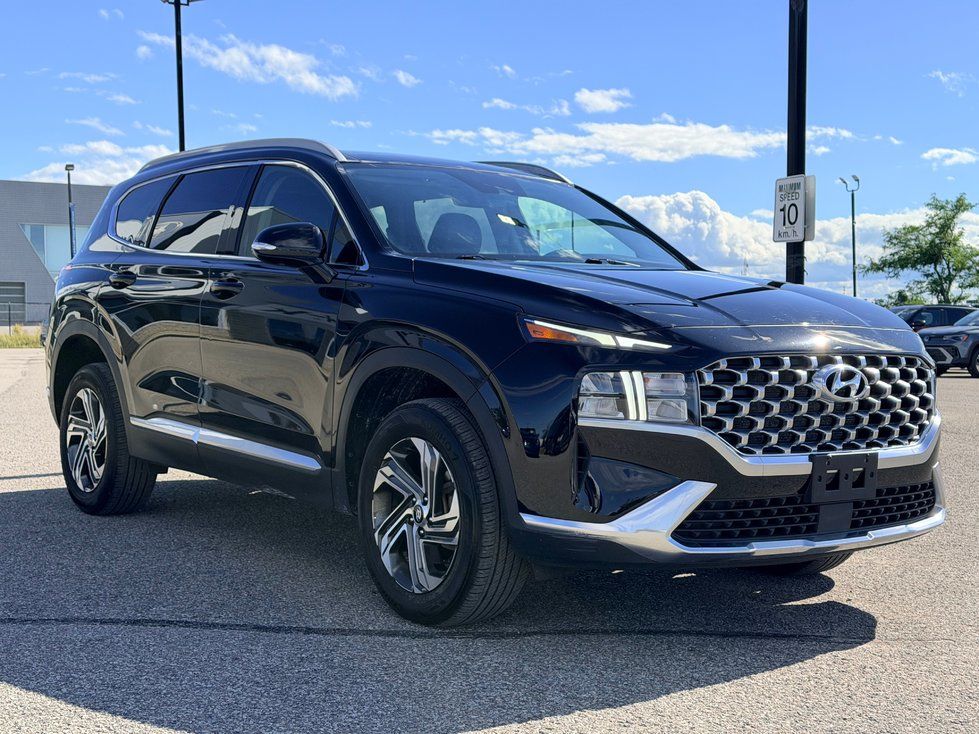
When the trip involves kids, a dog, and enough gear for a full day outdoors, cargo and passenger comfort start to outweigh outright efficiency. The Hyundai Santa Fe offers 1,148 L of cargo space behind the rear seats and 177 mm of ground clearance on its Preferred trim, with room to grow: fold the third row and that jumps to 2,267 L behind the front seats.
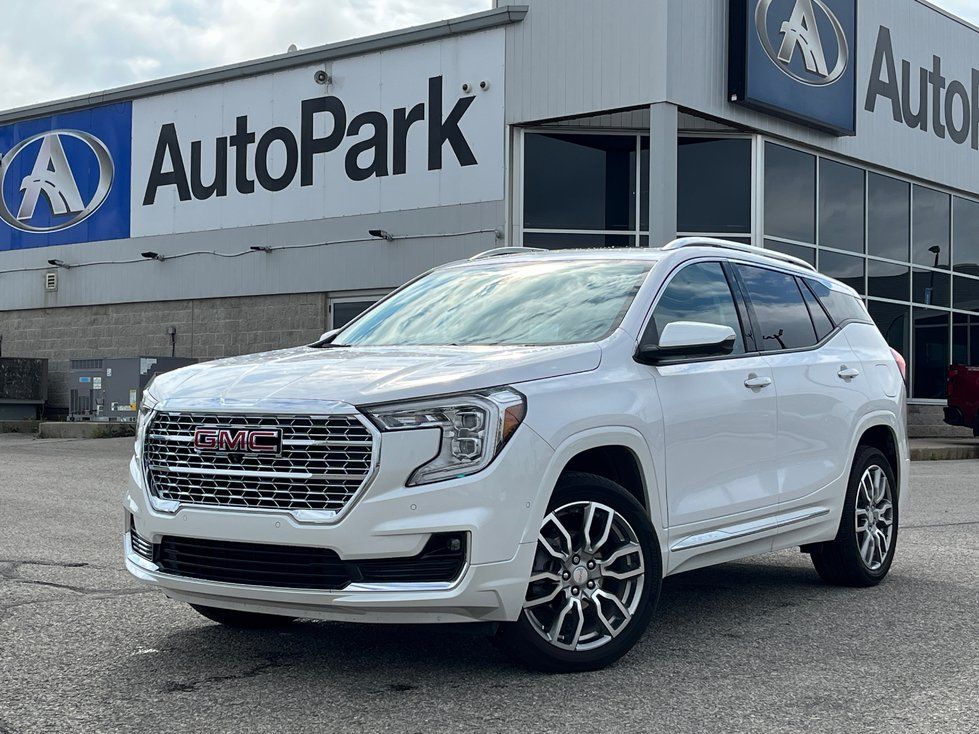
The GMC Terrain and Chevrolet Equinox both offer AWD with 844 L behind the rear seats, but they split on ride height: the Terrain Denali’s 166 mm clearance edges out the Equinox ACTIV’s roughly 205 mm… actually the Equinox rides slightly higher. Either way, both are easier to load kids and gear into than a taller off-road-biased SUV, thanks to a lower step-in height.
For a family that wants AWD security on a wet gravel lot without ever intending to leave the maintained road, any of these three does the job. The differences come down to how much cargo you actually need behind the rear seats on a normal trip.
For Rougher Access Roads and Bigger Adventures
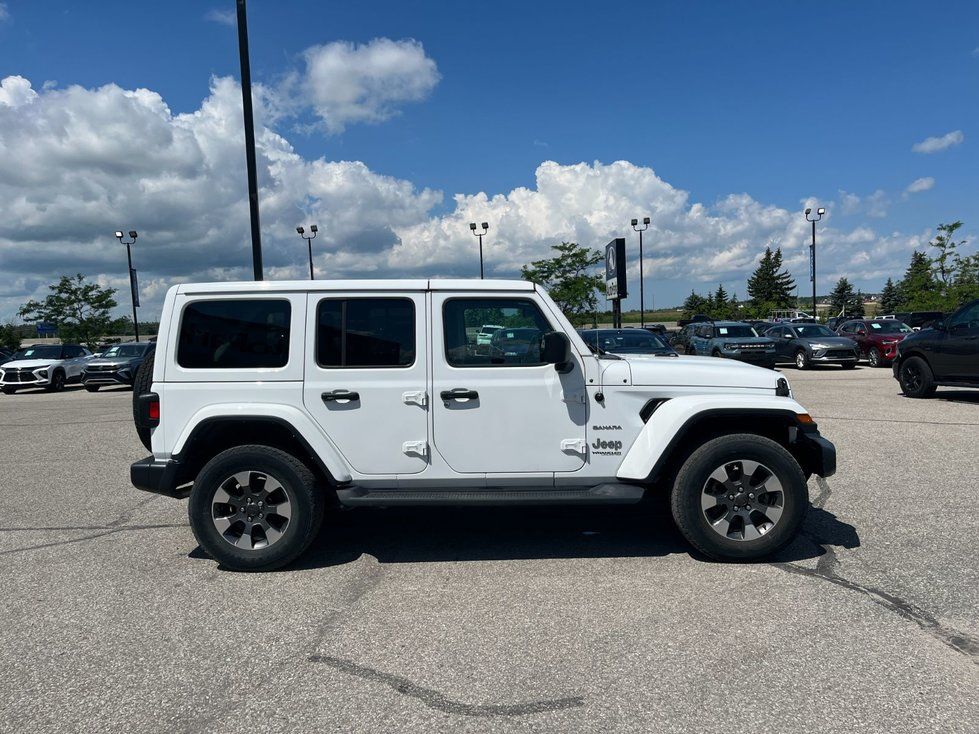
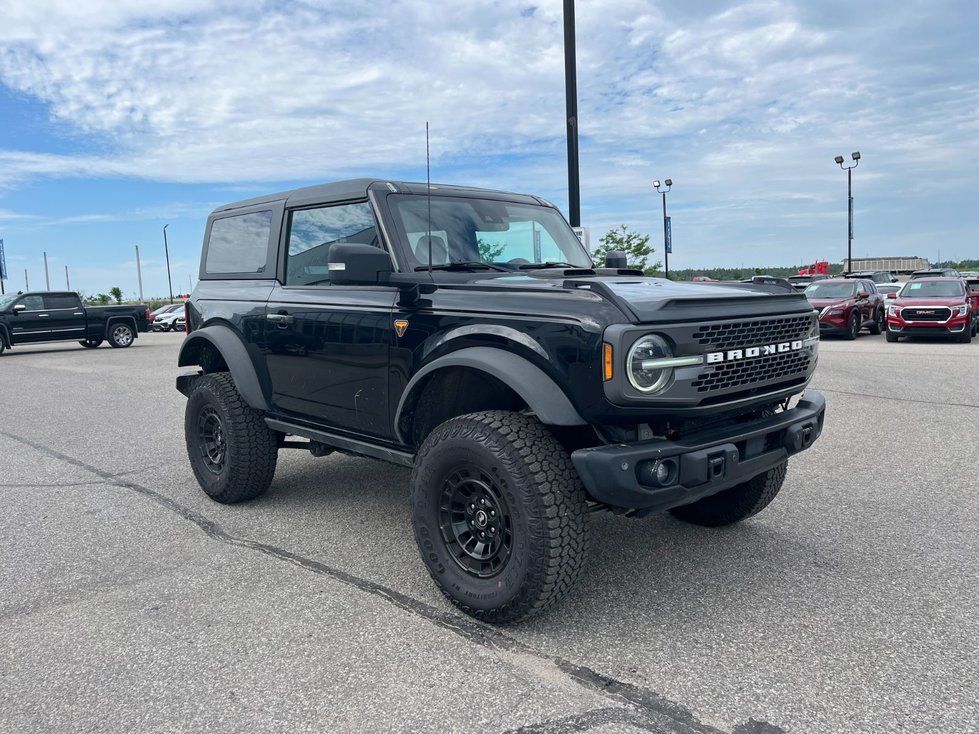
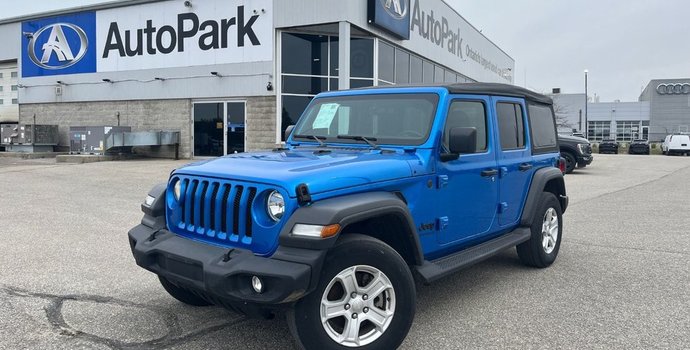
Some trailheads aren’t reached by a paved lot at all; they’re reached by a rutted fire road or a muddy shoulder that a crossover would rather avoid. That’s where the Ford Bronco and Jeep Wrangler earn their keep.
The Bronco pairs standard 4WD with 212 mm of ground clearance and a 47.2-degree approach angle, numbers that matter when the last kilometre to a hike is unpaved and uneven. The Wrangler answers with a 328 mm ground clearance and a 5,000 lbs (2,268 kg) max towing rating, useful if you’re hauling a small trailer of gear along with the hike.
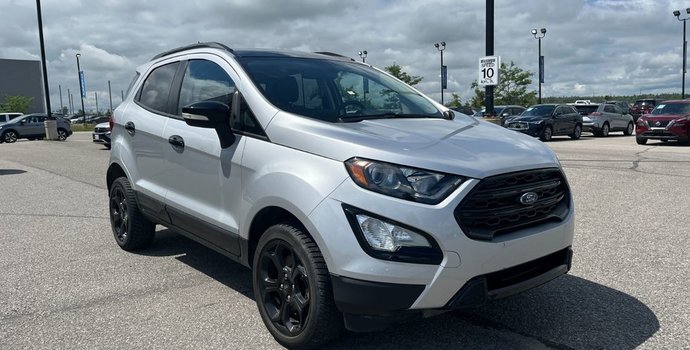
The compact Bronco Sport gives you a smaller footprint with standard 4x4 and selectable G.O.A.T. drive modes built for slippery and off-road surfaces, a reasonable middle ground for someone who wants trail confidence without committing to a full-size Bronco or Wrangler.
The honest tradeoff: none of this is about rock crawling. It’s about confidence on imperfect roads, not hardcore off-roading. And ride comfort on longer highway stretches is where the Wrangler in particular asks for a compromise, its off-road-tuned suspension doesn’t ride like a crossover on pavement.
For gear-heavy explorers hauling kayaks or e-bikes rather than backpacks, a used F-150 with the 2.7L EcoBoost V6 (325 hp) and 4WD adds bed space the SUVs above simply don’t have. It’s a different kind of hiking support vehicle, worth a look if your gear list runs bigger than a trunk can handle.
Quick Comparison: Ground Clearance and Cargo
|
Vehicle
|
Ground Clearance
|
Cargo (behind rear seats)
|
|
CR-V (Sport)
|
208 mm
|
2,030 L (EX-L Hybrid)
|
|
Escape (Gas)
|
190 mm
|
1,062 L
|
|
Santa Fe (Preferred)
|
177 mm
|
1,148 L
|
|
Terrain (Denali)
|
166 mm
|
844 L
|
|
Equinox (ACTIV)
|
205 mm
|
844 L
|
|
Bronco
|
212 mm
|
0f Contact us for detailed specifications. 0f
|
|
Wrangler
|
328 mm
|
898 L (Sahara)
|
Matching the Vehicle to Your Hike
Start with three questions: how many people usually come along, how much gear you’re hauling, and how rough the last stretch of road actually gets. A solo or two-person hiker doing established provincial park trails rarely needs more than a compact AWD crossover.
A family with car seats and a cooler benefits more from a midsize SUV’s cargo and passenger room than from extra ground clearance. And if your regular hikes end on a gravel logging road or a muddy shoulder with no maintained lot, that’s when the Bronco or Wrangler’s extra clearance and traction hardware start to pay for themselves.
One more practical note: whichever type fits, treat AWD as a commuter double-duty feature, not a single-purpose one. The same traction that gets you out of a wet trailhead lot also helps on a rainy highway home.
What to Check Before You Buy a Used Trail SUV
A vehicle that’s spent time on gravel and muddy shoulders wears differently than one that only sees pavement. Check tire tread depth and wear pattern for signs of off-road use, and ask for service history, particularly on suspension and undercarriage components on Bronco, Wrangler, or Terrain AT4 models that see more rugged use.
Bring your actual gear when you test drive. Load boots, packs, and layers into the cargo area the way you would after a hike, not just an empty trunk. It’s the only way to know if a vehicle’s cargo shape, not just its stated volume, works for how you pack.
Finding the Right Fit at AutoPark Barrie
Each of these used AWD SUVs suits a different kind of fall hiker, from a daily-driving commuter to a family loading up for a weekend to a gear-heavy explorer chasing rougher roads. The right one depends on your passenger count, cargo needs, and how far off pavement you actually go.
Visit AutoPark Barrie to explore the AWD SUV lineup and test drive your shortlist with your own hiking gear loaded in, so you can judge cargo access and comfort firsthand before you decide. Trim availability should be confirmed locally before your visit.